
Blogs and insights
How to Choose the Right Roofing Material for Your Climate
📅 Published on
August 25, 2026
The best roofing material is not simply the product with the longest advertised lifespan or the highest price. A good choice needs to match the home's architecture, roof slope, local weather, storm exposure, maintenance expectations, and budget.
Start With Your Local Weather
Homes in the Midwest and other four-season climates may experience hail, high winds, heavy rain, snow, ice, heat, and rapid temperature changes. These conditions place different stresses on roofing materials throughout the year.
When comparing products, look at wind ratings, impact-resistance options, installation requirements, ventilation needs, and manufacturer specifications for the climate where the home is located.
Asphalt Shingles
Architectural asphalt shingles are one of the most common residential roofing choices because they offer a wide range of styles and price points. Many modern shingle lines also offer enhanced wind or impact performance.
Quality varies significantly between products, so homeowners should compare the complete roofing system, not just the color or shingle name. Underlayment, flashing, ventilation, starter materials, and installation quality all contribute to performance.
Metal Roofing
Metal roofing can provide strong weather resistance, long service life, and a distinctive appearance. It can be a good option for homeowners who plan to stay in the property long term and are comfortable with the higher initial investment.
Panel type, coating, fastening system, roof geometry, and installer experience all matter. Proper detailing around penetrations and transitions is especially important.
Slate and Tile
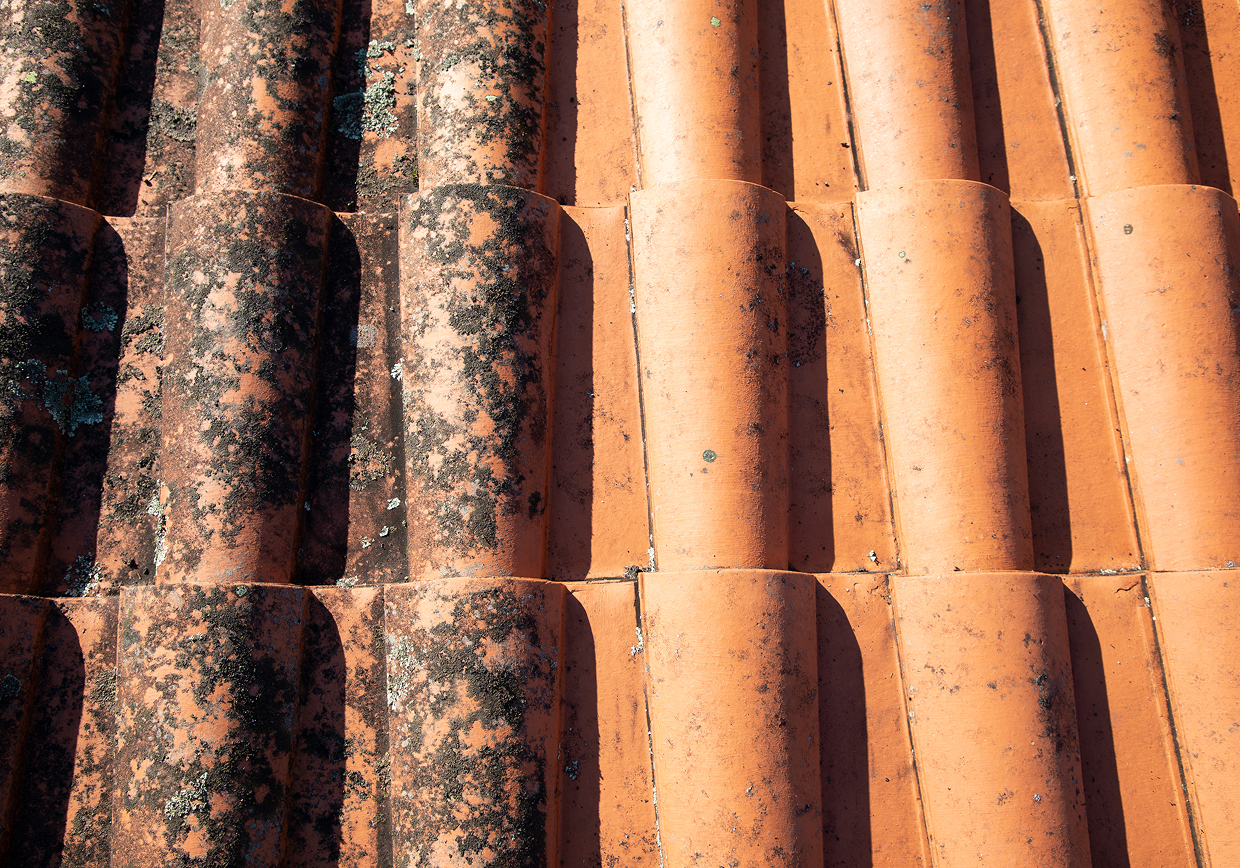
Slate and tile roofs can provide exceptional appearance and longevity when the structure is designed to support them. Because these materials are heavier than asphalt shingles, the roof framing and existing structure should be evaluated before installation.
They may also require specialized installation and repair expertise, which can affect both initial and long-term costs.
Low-Slope and Flat Roofing Systems
Low-slope roof sections require materials specifically designed for reduced slope. Standard shingles are not appropriate for every roof pitch. Membrane systems and other low-slope products are designed to manage water differently and should be selected according to the roof's design.
Think Beyond Material Price
A lower-cost roofing product is not automatically the least expensive option over the life of the home. Compare expected maintenance, warranty terms, storm resistance, installation complexity, appearance, and how long you expect to own the property.
Installation Quality Is Critical
Even a premium roofing material can perform poorly if flashing, ventilation, underlayment, fasteners, and transitions are installed incorrectly. The contractor and installation process matter just as much as the material itself.
Get Recommendations Based on Your Actual Roof
Roof slope, existing decking, attic ventilation, nearby trees, sun exposure, and local weather all influence material selection. Universal Home Improvement can inspect the property and explain which roofing systems make sense for the specific structure, climate, and budget.
.png)
.png)



.svg)